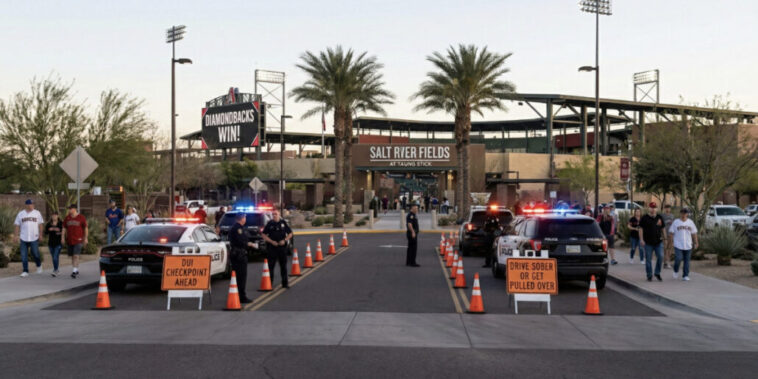
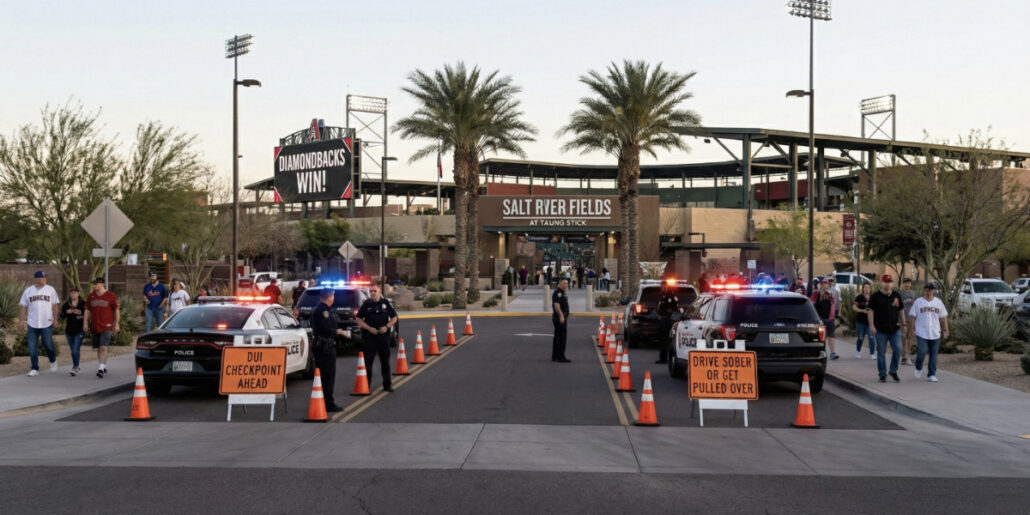
Examining DUI Checkpoints at Major Sports Events in Arizona
The world of DUI checkpoints in Arizona—especially during high-energy sporting events—can be as nerve-racking as it is essential. In cities like Glendale, Phoenix, Scottsdale, and Tempe, law enforcement puts measures in place during major sports events to keep roads safe. However, these stops come with a range of confusing bits and tangled issues that drivers must understand to protect their rights. This opinion editorial offers a thorough look at the DUI checkpoint process, explains your rights, and highlights how the procedures incorporate both safety and constitutional requirements.
In the following sections, we will get into how DUI checkpoints work during lively sports occasions, examine the small distinctions in procedures, and provide potential defense strategies if you find yourself stopped by the police. We will also offer a closer look into the procedures, focusing on the tricky parts of the legal framework, review the subtle parts of field sobriety tests and breathalyzer procedures, and provide tables and bullet lists for clarity.
Understanding the Legal Framework of DUI Checkpoints in Arizona
Arizona law permits sobriety checkpoint operations, but there are several must-have guidelines that police officers need to follow. This legal structure is designed to ensure that checkpoints are neither arbitrary nor intimidating. In the landmark decision of State v. Superior Court (Simmons), the court clarified that for a DUI checkpoint to be lawful, it must employ a neutral formula—such as stopping every third or fifth car—and have supervisors determine the time, location, and plan in advance.
This pre-planning is a key aspect designed to steer through the twists and turns of constitutional rights. In practice, this means that officers must work through a detailed plan and are not allowed to use personal discretion when selecting vehicles to stop, helping to ensure a fair approach for every driver caught in the checkpoint net.
How DUI Checkpoints Operate During Enthralling Sports Occasions
When there is a major sports event on the calendar, such as a Cardinals game or spring training in Scottsdale and Tempe, law enforcement agencies tend to increase their presence on the roads. This is done for one super important reason: to discourage intoxicated driving. The following list explains how these checkpoints typically operate during such events:
- Strategic Location: Checkpoints are set up in areas with heavy traffic near stadiums, sports bars, and entertainment districts.
- Using a Predictable Pattern: Officers typically stop drivers based on a fixed pattern (like every third vehicle) to ensure fairness.
- Identification Checks: You may be asked for your driver’s license, vehicle registration, and proof of insurance.
- Observation of Physical Signs: The officer might look for indicators of intoxication, such as slurred speech or the distinct odor of alcohol.
- Extension of Stops: If suspicious behavior or signs of impairment are noted, further evaluation—including field sobriety tests—might be requested.
This methodical approach is intended to be orderly, yet in practice, drivers often find themselves uncertain about the process due to the complicated pieces and hidden complexities involved during these stops.
Your Rights at DUI Checkpoints: What Every Driver Should Know
When you’re pulled over at a DUI checkpoint, understanding your rights can be the difference between a smooth encounter and a nerve-wracking experience. Even though the process is set up according to clear legal standards, many drivers are intimidated by interacting with law enforcement. Here is an overview of your rights at a checkpoint:
- Obligation to Provide Documentation: Legally, you must provide your driver’s license, vehicle registration, and proof of insurance when requested.
- The Right to Remain Silent: Beyond identification, you are not obligated to divulge details about your whereabouts or whether you consumed alcohol. Keep your words to a minimum and only provide the necessary documents.
- Field Sobriety Tests and Breathalyzers: While you have the right to politely refuse voluntary field sobriety tests, understand that a refusal to take a post-arrest breathalyzer test may lead to additional administrative license suspensions under Arizona’s implied consent law.
This list points out that although you must cooperate by providing baseline identification, you are shielded from further questioning. Remaining calm and politely exercising your rights helps prevent misunderstandings and potential evidence against you down the line.
Detailing Field Sobriety and Breathalyzer Testing Procedures
One of the trickiest areas at DUI checkpoints involves the administration of field sobriety tests and breathalyzer tests. These procedures, while designed to ensure public safety, often come with their own set of confusing bits. Let’s get into the procedure and its potential pitfalls:
Field Sobriety Tests: Practical Considerations
Field sobriety tests are the initial tool law enforcement uses to gauge a driver’s impairment based on physical signs. These tests may include exercises such as:
- Walking a straight line
- Balancing on one leg
- Following instructions to evaluate coordination
It is important to note that these tests are subjective. The performance on these tests can be influenced by several factors such as fatigue, minor medical issues, uneven road surfaces, or even extreme weather conditions. Additionally, the officer’s interpretation of your performance can sometimes be based on fine shades that are less than clear. The potential for misinterpretation means that the results may not accurately reflect your physical capability or level of sobriety.
Breathalyzer Testing: Issues with Accuracy
After a field sobriety test, if the officer develops sufficient reason to believe you might be intoxicated, you will likely be asked to submit to a breathalyzer test. Under Arizona’s implied consent law, refusing this test can result in an immediate license suspension. However, there are several technical and procedural issues that can undermine the results of a breathalyzer test:
| Potential Issue | Description |
|---|---|
| Calibration Errors | The device must be regularly calibrated. Any lapse in calibration can lead to inaccurate readings. |
| Operator Error | An improperly administered test by the officer can skew results. |
| Maintenance Failures | If the machine is not kept in optimal working order, its accuracy may be compromised. |
| Environmental Factors | Extreme weather conditions or mechanical issues during testing may affect outcomes. |
If any of these problems come to light during your case, a skilled DUI attorney can challenge the validity of the results. Such a challenge is rooted in the understanding that the road to justice often involves navigating through quite a few subtle parts and hidden complexities.
Challenges in Legal Defense after a DUI Checkpoint Stop
Sometimes, the aftermath of a DUI checkpoint stop can lead to a full-blown criminal DUI case. The defense strategies available in these cases depend largely on whether the checkpoint itself was set up and managed within the required legal boundaries. Let’s examine some possible defense strategies and why they are critical:
Challenging the Checkpoint’s Legality
A DUI checkpoint must adhere to strict procedural rules. If officers deviate from the pre-approved plan—such as stopping vehicles arbitrarily—the legality of the stop can be questioned. This is one of the first defense strategies that an experienced attorney may sort out with a careful review of the following:
- Pre-Approval Documentation: Was there written evidence showing that the checkpoint’s location, pattern, and schedule were approved by a supervisory authority?
- Neutral Stopping Pattern: Did officers indeed stop vehicles based solely on a predetermined formula?
If these conditions are not met, it might be possible to have evidence suppressed under the argument that the stop was unconstitutional. Such arguments rely on pinpointing every little twist and turn in the checkpoint process that deviated from established legal standards.
Probable Cause and the Field Sobriety Tests
Another thorny issue central to many DUI defense cases is whether there was genuine probable cause for a DUI arrest. Depending on the specifics, such as subtle performance in a field sobriety test or reliance on physical signs that might have alternative explanations, your legal team may argue that:
- The field sobriety tests were administered inconsistently or incorrectly;
- External factors could have influenced your performance;
- No objective, clear evidence of intoxication was presented.
This aspect of your defense involves digging into the fine points of both observational evidence and procedural missteps—areas that are often full of problems if the proper standards were not maintained.
Scrutinizing Breathalyzer Test Results
If you were arrested based, in part, on a breathalyzer test result, the reliability of that test is a major battleground. An attorney may focus on highlighting potential issues such as:
- The possibility of calibration errors
- Questions about the training and performance of the operator administering the test
- Problems with device maintenance and environmental conditions during the test
By pointing out these twisted issues, legal representation can build a strategy to challenge the scientific reliability of the evidence against you. Overcoming these challenges often requires detailed expert testimony and extensive documentation of the testing procedures.
How to Handle a DUI Checkpoint: Practical Advice for Drivers
For many drivers, the thought of being stopped at a DUI checkpoint is overwhelming. However, knowing what to expect and how to react can ease the tension considerably. Here are some steps to follow if you find yourself approaching or being stopped at a DUI checkpoint:
- Stay Calm: Keeping a level head is key. Don’t let the situation intimidate you.
- Follow Instructions: Adhere to the lawful instructions provided by law enforcement. This includes providing your driver’s license, registration, and insurance.
- Be Polite and Respectful: A respectful demeanor can help prevent a checkpoint stop from escalating into a longer, more invasive encounter.
- Exercise Your Right to Silence: Once you have given the required documentation, refrain from volunteering extra details.
- Consult an Attorney if Needed: If you suspect that your rights have been violated or the process has taken an incorrect turn, seek legal counsel right away.
Following these steps can help you manage your way in a situation that is already tense. Remember, the procedures are designed to protect public safety, not to create additional complications for an innocent driver.
Understanding the Impact of Checkpoint Encounters on DUI Cases
It is not uncommon for a checkpoint stop to spark a full-fledged DUI case, with consequences that might extend well beyond the initial traffic stop. Often, the legal aftermath is loaded with issues that require detailed inspection. Consider these two key areas:
Administrative Impacts Versus Criminal Charges
A DUI arrest can result in both administrative and criminal consequences. For example, even if your case is dismissed in the criminal court, the administrative penalties—such as license suspensions—may still kick in. Understanding this dual nature of DUI consequences is super important when deciding on the next steps:
- Administrative License Suspension: Refusing a post-arrest breathalyzer test under Arizona’s implied consent law triggers an automatic license suspension.
- Criminal Charges: These may result from substantive evidence gathered during the checkpoint stop and subsequent investigations.
- Impact on Personal Records: Both types of consequences can have a lasting impact on your record, affecting employment and insurance rates.
Grasping these distinctions helps drivers to appreciate the need for legal advice even if the initial stop appears trivial.
The Role of Legal Representation
Having a seasoned DUI defense attorney is key to making your way through the maze of DUI law in Arizona. Experienced legal counsel can review your checkpoint encounter, identify any twisted procedural errors, and help craft a strategy to mitigate or even dismiss charges. Working with an expert means that:
- Your rights are closely monitored: A legal representative ensures that no subtle detail is overlooked.
- Defense strategies are tailored: The attorney can challenge evidence stemming from field sobriety tests and breathalyzer results, particularly if they were not administered as per strict guidelines.
- Procedural mishaps are highlighted: Any deviation from the pre-approved checkpoint protocols can be used as a defense point in court.
The legal team’s role is to sort out the many confusing bits in each DUI case and help you figure a path toward the best outcome possible.
Key Considerations When Facing a DUI Charge from a Checkpoint Stop
If you are charged with a DUI following a stop at a checkpoint, several considerations come into play that are full of problems if not adequately addressed. Here are some areas to ponder:
Reviewing Officer Reports and Evidence
One of the first steps an attorney will take is to carefully examine all the evidence gathered during the checkpoint stop. This involves digging into:
- Officer Field Reports: Detailed accounts may reveal discrepancies in the description of the event.
- Body Camera Footage: Visual records can expose procedural errors or mistreatment.
- Test Records and Calibration Logs: These documents may point to technical glitches with breathalyzers and other testing devices.
Such reviews require a serious consideration of every little twist and complicated piece. A seasoned attorney uses these findings to build a defense that might include suppressing improperly collected evidence.
Understanding the Toll on Personal Life and Future
A DUI charge can be more than just a legal inconvenience—it can ripple through many aspects of your life. Consider these additional impacts:
- Insurance Rates: A DUI conviction often leads to higher premiums or even cancellation of your policy.
- Employment Prospects: Many employers conduct background checks, and a DUI can complicate future job opportunities.
- Personal Reputation: The stigma attached to a DUI arrest can strain personal and professional relationships.
By understanding these impacts, drivers can appreciate the importance of seeking immediate legal counsel at the first sign of a checkpoint-related issue.
Best Practices for Dealing with a DUI Checkpoint
Knowing what to do if you are stopped at a DUI checkpoint can help you maintain control of an already overwhelming situation. Here are some best practices worth remembering:
- Remain Calm and Respectful: Keeping a level head is essential. A polite, respectful interaction can prevent unnecessary escalations.
- Provide Necessary Documentation: Always have your driver’s license, registration, and proof of insurance readily available.
- Exercise Your Right to Silence: Apart from the required documents, it is completely acceptable to refrain from additional conversation.
- Accept Voluntary Tests Cautiously: You can choose to decline field sobriety tests if you feel they may misrepresent your condition; however, consult with an attorney first.
- Document the Encounter: If possible, remember details about the checkpoint location, officer behavior, and the sequence of events. This information might later become valuable in a legal challenge.
These practices not only protect your rights but also help in sorting out the confusing and sometimes overwhelming aspects of the encounter. Awareness of these best practices can be the difference between a minor inconvenience and a prolonged legal battle.
Evaluating the Broader Impact on Arizona’s DUI Landscape
The deployment of DUI checkpoints during major sporting and public events has far-reaching implications on public safety and law enforcement policies in Arizona. While the primary goal is to reduce incidents of intoxicated driving, it also sparks debates on constitutional rights and law enforcement methodologies.
There is a balance to be maintained. On one hand, these stops are instrumental in preventing accidents and safeguarding lives. On the other, they can sometimes be seen as intrusions into personal freedoms if not executed according to the strict legal standards. The following bullet list summarizes some broader implications:
- Public Safety Enhancements: Checkpoints deter dangerous driving, reducing the number of DUI-related accidents during busy events.
- Constitutional Accountability: Adherence to procedural rules ensures that checkpoints remain within the bounds of the Fourth Amendment, protecting citizens from unreasonable searches.
- Legal Challenges: Any deviation from approved procedures can provide grounds for appeals or dismissal of charges, thus highlighting the need for thorough documentation and careful police conduct.
- Policy Reforms: Ongoing legal debates and court cases often pave the way for policy revisions to address both enforcement needs and civil liberties.
In this evolving legal landscape, drivers and legal experts alike must keep a close eye on how these policies affect both public safety and individual rights. This balanced perspective is key to ensuring that the objectives of law enforcement are met without compromising constitutional protections.
Practical Defense Strategies for DUI Charges Originating from Checkpoints
For those facing DUI charges as a result of a checkpoint stop, every situation brings its own challenging parts that must be carefully addressed. Below are some practical strategies that can be adopted in such cases:
- Review the Checkpoint’s Legality: Gather all available evidence to confirm whether the checkpoint followed the pre-established criteria. If anomalies are identified, these can be used to challenge the legitimacy of the stop.
- Examine Test Procedures: Scrutinize the administration of field sobriety tests and the reliability of breathalyzer results. Any inconsistency in these tests may present a strong defense.
- Document Every Detail: Make a note of every aspect of the encounter—from the location and timing of the checkpoint to the conduct of the officers—in order to pinpoint any deviations from standard procedure.
- Consult with Experts: Utilize expert testimonies from individuals familiar with breath-testing technology and the proper administration of field sobriety tests. This helps underscore any technical errors that might have influenced the outcome.
These strategies form the backbone of a comprehensive defense approach. The goal is to dissect each element of the stop, shining a light on the subtle details that can make a difference in court. Aligning with these tactics requires a collaborative effort between you and your legal representation to carefully sort out the confusing bits of your case.
The Role of Legal Counsel in Steering Through DUI Checkpoint Cases
When you face a DUI charge after a checkpoint stop, timely and experienced legal representation is super important. An attorney who specializes in DUI defense understands every little twist of the law and is well-equipped to help you sort out the maze-like process. Here are some ways in which legal counsel can assist you:
- Evaluating Checkpoint Procedures: They can verify whether the stationing of the checkpoint complied with the established legal guidelines.
- Scrutinizing Field and Test Procedures: Experts in DUI law can thoroughly assess any irregularities in the execution of field sobriety tests and breathalyzer testing, thereby challenging any questionable evidence.
- Negotiating with Prosecutors: Experienced attorneys often use their in-depth knowledge of state DUI laws to negotiate plea deals or have charges reduced, which can help avoid the more severe consequences of a DUI conviction.
- Protecting Your Rights: Most importantly, legal professionals ensure that your rights are preserved at every stage of the process, from the initial checkpoint stop to any subsequent court proceedings.
The value of competent legal counsel cannot be overstated when tourism, entertainment, and law enforcement converge during major events. With nearly 20 years of specialized experience in DUI defense, attorneys are adept at getting into the nitty-gritty of the case and tailoring the best possible defense for each client.
Closing Thoughts: Balancing Safety and Constitutional Rights
The debate over DUI checkpoints during high-profile events is emblematic of a broader tension between ensuring public safety and safeguarding constitutional freedoms. On one side, these checkpoints play a critical role in reducing accidents and deterring impaired driving. On the other, any misstep in procedure can lead to serious legal repercussions for an unsuspecting driver.
In Arizona, the legal framework governing DUI checkpoints is designed to achieve this balance. Every checkpoint is expected to follow a structured plan—a plan that is loaded with specific requirements to ensure fairness and minimize arbitrary stops. If law enforcement deviates from these pre-approved guidelines, the door is opened for legal challenges that can tilt the scales back in favor of individual rights.
While the procedures may seem intimidating at first glance, a closer look reveals that the aim is not to complicate your path but to protect all drivers on the road. With the right approach—by knowing your rights, remaining calm, and consulting with an experienced DUI defense attorney—you can manage your way through even the most nerve-racking encounters.
Ultimately, the discussion about DUI checkpoints is a reminder of the delicate balance between enforcing public safety measures and preserving the rights afforded to every citizen. It is a conversation that is ongoing, and one that demands careful reflection on the practical and legal implications of these practices.
Summary and Call to Action
As we have taken a closer look at the world of DUI checkpoints in Arizona, it becomes clear that while these practices are essential for public safety, they also come with many complicated pieces and hidden complexities. Here’s a brief recap:
- DUI checkpoints are legally permitted under Arizona law if they follow strict, pre-approved procedures that prevent arbitrary enforcement.
- During major sports events, these stops are a common tool to counter the risk of intoxicated driving and protect public safety.
- Drivers have a set of rights at every checkpoint—from the obligation to provide documentation to the right to remain silent beyond that requirement.
- Field sobriety and breathalyzer tests, while useful, have their own set of tricky parts and potential vulnerabilities that can be challenged in court.
- An experienced DUI attorney plays a key role in sorting out the subtle details of each case, ensuring that the proper protocols were followed and safeguarding your constitutional rights.
For anyone who finds themselves facing charges after a DUI checkpoint stop, it is essential to take action immediately. Thoroughly reviewing the details of your arrest and seeking legal advice can make the difference between a resolved case and a prolonged legal battle. Remember that while the road through a DUI checkpoint encounter can be full of problems and delicate twists, you do not have to face it alone.
If you or someone you know needs guidance after a DUI checkpoint encounter, do not hesitate to consult a trusted DUI defense attorney. Timely, expert legal advice is not only a protective measure but a crucial step towards preserving not just your driving privileges but your future as well.
Stay safe, know your rights, and always be prepared. The balance between public safety and constitutional rights depends on a well-informed and proactive approach by every driver.
Read more about this topic at https://arjashahlaw.com/criminal-defense/arizona-dui-checkpoints-in-glendale-phoenix-scottsdale-and-tempe-over-sports-events/
Related articles you might like
DUI Checkpoints – What To Expect
Navigating R.I.D.E. Checkpoints: Understanding Your Rights