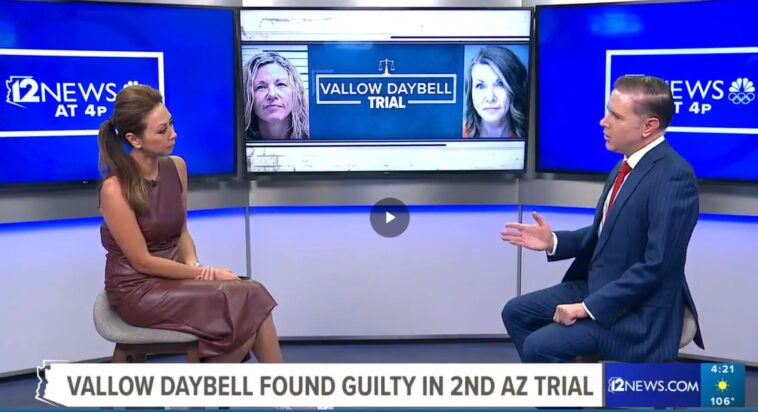

Analyzing the Rapid Verdict in a High-Profile Case
The recent guilty verdict in the Lori Vallow Daybell trial has sparked plenty of discussion across the country. Many observers have been left puzzled by the jury’s remarkably quick decision-making process. After hearing the courtroom proceedings, I found it necessary to take a closer look at the key legal takeaways from the case. In this opinion editorial, I will break down the trial’s significant elements, including the tactical missteps on the defense side, the troubled timing of forensic evidence, and the overall implications for both defendants and victims. Every step of the process was riddled with issues—tangled issues that made the trial’s outcome almost inevitable.
At times, the legal processes can seem like an intimidating maze of rules and procedures. However, by examining the fine points that were so critical in the Lori Vallow Daybell case, we can better appreciate not just the outcome but also the hidden complexities behind every decision in a high-stakes criminal trial.
Understanding the Speed of Jury Deliberation
One glaring point that caught the public’s eye was the speed at which the jury reached its verdict—less than 30 minutes. This swift decision-making, coming on the heels of another similarly quick trial, is more than just a quirk of the legal system. It highlights how a defendant’s strategy, or the lack thereof, can leave little room for reasonable doubt.
Often, a speedy verdict can be seen as a double-edged sword. On one hand, it may reflect a clear-cut and overwhelming case presented by the prosecution. On the other, it may reveal critical shortcomings in the defense’s strategy. In this case, there was little evidence that the defense effectively poked around the government’s theory. Lori Vallow Daybell’s lack of an active defense—her simply stating “we rest”—meant that the jury did not have many complicated pieces, no tangled issues, and certainly no alternative explanations to consider beyond the prosecution’s narrative.
Key Factors Contributing to the Swift Decision
A number of interrelated factors contributed to the rapid jury verdict:
- Minimal Opposition: Without a robust or oppositional defense strategy, the prosecution’s narrative was accepted wholesale.
- Limited Cross-Examination: The absence of vigorous cross-examination allowed the prosecution’s key evidence and witness testimonies to go unchallenged.
- Preponderance of Evidence: The forensic evidence and documented details, even if collected as late as thirty days after the crime, added up to a compelling case in the eyes of the jury.
When these factors come together, they have little room for mitigating explanations or reasonable alternative interpretations, leaving the jurors with fewer tricky parts to debate.
The Impact of Inadequate Defense Strategy
A significant issue that emerged during the trial was the absence of an effective defense strategy. In my view, the decision to forgo a comprehensive defense—especially one that might have implicated a third party—is a pivotal point of failure. A defense should always be ready to steer through the twists and turns of a case by shedding light on every little detail that might create doubts.
The prosecution’s narrative marched unchallenged through the courtroom because the defense did not put forward strong counterarguments. In any criminal trial, active defense is super important. It is not enough to simply point out weaknesses; the defense must also offer alternate possibilities. In Daybell’s case, the defendant’s passive approach left no room for the jury to consider any alternative scenes or to question the reliability of the presented evidence.
Consequences of a Passive Defense
Let’s break down some of the consequences when a defense remains passive:
- One-Sided Narrative: When a defendant opts out of challenging the prosecution’s claims actively, the narrative becomes one-dimensional.
- Missed Opportunities: Potential weaknesses in forensic timelines or technical details go unchallenged, which can be critical in sowing reasonable doubt.
- Legal Perception: A passive approach might be interpreted by the jury as an admission of guilt or an inability to counter the government’s evidence.
It is essential for defendants to understand that a well-prepared defense can sometimes point out even the smallest twists and turns, which can make the jury pause and reflect on the evidence presented.
Challenges of Self-Representation in Criminal Trials
Another recurrent issue in high-profile cases like this is the decision by a defendant to represent themselves. When Lori Vallow Daybell opted to speak on her own behalf, this decision ultimately exposed more weaknesses than it covered up. Self-representation in complex trials is, in many ways, like trying to steer through a maze without a map—overwhelming and generally off-putting.
Legal matters, especially those involving serious charges, are full of problems that require finely tuned expertise. Without professional guidance, defendants risk misinterpreting subtle details and making tactical errors that are difficult, if not impossible, to correct once in motion.
Risks Associated with Self-Representation
Below is a table summarizing the primary risks involved with self-representation in complex criminal cases:
| Risk Factor | Description |
|---|---|
| Cross-Examination Missteps | Without experience, self-representation can result in ineffective or overly aggressive cross-examinations that may alienate the jury. |
| Forensic Evidence Challenges | Challenging forensic evidence requires specific expertise and the ability to identify tiny margins of error. |
| Emotional Involvement | Representing oneself can result in personal bias clouding objective judgment, making it difficult to separate feelings from facts. |
| Tactical Errors | Strategies that might sway jurors by highlighting small distinctions are best handled by professionals familiar with courtroom dynamics. |
Professional defense attorneys are equipped to manage these tricky parts. Their experience in handling similar cases is indispensable and ensures that every little twist in the trial is meticulously addressed. The failure to utilize such expertise puts defendants at a distinct disadvantage, as seen in this case.
Forensic Evidence and Its Critical Timing
An essential element of any criminal trial is the forensic evidence presented. In Lori Vallow Daybell’s trial, several pieces of forensic data were collected roughly thirty days after the alleged crime. While on the surface this might not seem too problematic, the timing has significant implications in a court of law—a detail often lost on those who are not legal experts.
When evidence is collected long after the incident, there is an increased risk that the evidence might be tainted or not as conclusive due to changes in the environment or loss of key details. An experienced attorney would have been primed to highlight these little twists in the evidence chain, drawing attention to potential errors or misinterpretations.
Impact of Delayed Forensic Evidence
Some of the key impacts of delayed forensic evidence could include:
- Chain of Custody Concerns: With a delay in evidence collection, questions about who had access to and how the evidence was preserved can arise.
- Accuracy Issues: Technical equipment such as a license plate reader, which was noted to have a 10% margin of error—another small distinction—can result in data that is not entirely reliable.
- Credibility Challenges: The defense could have used this delay to suggest that the evidence might not accurately represent the exact timeline of events, thereby sowing seeds of reasonable doubt.
These impacts underscore why every detail, no matter how seemingly insignificant, is critical in the overall legal narrative. Understanding the subtle parts of forensic processes is key to questioning their veracity and ultimately influencing a trial’s outcome.
Multiple Trials as a Legal Safeguard
The current verdict in the Lori Vallow Daybell case marks what many have described as the third and final major trial for the defendant. At first glance, multiple trials might seem redundant or even excessive. However, there is a strategic purpose behind pursuing several prosecutions across different jurisdictions.
The prosecution’s decision to go forward with repeated trials reflects a dual-purpose strategy. Firstly, it aims to deliver justice for the victims of the crimes. Secondly, it acts as a safety net for ensuring that even if previous verdicts face appeals or are overturned, the overall legal process remains intact and justice is ultimately served.
Why Multiple Prosecutions Matter
Looking at the significance of multiple trials, several key points emerge:
- Reinforcing Accountability: By trying the case more than once, the prosecution sends a strong message that criminal activity will be pursued relentlessly, regardless of jurisdictional boundaries.
- Victim Assurance: Multiple prosecutions ensure that victims receive ongoing validation that the legal system is working to protect them and deliver punishment to those responsible.
- Legal Backstopping: Running parallel cases in different regions provides a safeguard against potential appeals, reinforcing the finality of the ultimate verdict.
The strategy behind multiple trials, though it might seem overwhelming to some, is an important part of ensuring that justice is done in a systematic and thorough manner. It demonstrates that the law is not just about punishment but also about protecting the rights of those who have suffered.
Legal Oversights and Missed Opportunities
A common thread in discussions about this trial is the noticeable missed opportunities that went unchallenged. With a case as complex—or rather, with so many twisted and turned details—as this one, the smallest oversight can have an enormous impact on the final verdict.
For instance, several technical details weren’t highlighted by the defense. One notable example was the license plate reader error margin. A technical flaw of even 10% can be the difference between convicting and creating reasonable doubt, yet this was not pressed by the defense. Similarly, the timing of specific forensic evidence raised questions that were not adequately explored.
The failure to get into these little details created a scenario where, despite potential areas of ambiguity, the prosecution’s evidence remained largely uncontested. It serves as a cautionary tale for defendants in high-stakes trials: the difference between winning and losing can lie in whether you manage to poke around every single twist and turn in the evidence.
Key Oversights in the Defense Strategy
A breakdown of the defense’s oversights includes:
- Limited Argument on Timing: Not challenging the delay in evidence collection effectively.
- Technical Inaccuracies: Failing to leverage known technical inaccuracies, such as the license plate reader’s error margin.
- Neglected Cross-Examination: The absence of strong cross-examination left potentially mitigating information undiscovered.
Each of these points represents a missed chance to sow doubt in the jury’s mind—a critical strategy in any criminal trial. By not capturing these details, the defense left the narrative entirely in the prosecution’s favor.
Lessons Learned for Future Criminal Defense Cases
There are several takeaways from the Lori Vallow Daybell case that can serve as guideposts for future defendants and legal teams. The trial clearly demonstrates how essential it is to address every complicated piece of evidence meticulously. Even small distinctions in the presentation of forensic details or the method of cross-examination can have a serious impact on the trial’s outcome.
Moving forward, both legal professionals and the public should remember that each trial is more than a simple contest of evidence. It is a complex interplay of strategy, legal knowledge, and experiential insight. Cases like this remind us that while the law is designed to deliver justice, it also requires that defendants invest in skilled advocacy.
Recommendations for Aspiring Defendants
If you or someone you know is faced with serious criminal charges, consider the following recommendations:
- Engage Experienced Representation: Do not underestimate the importance of a seasoned defense attorney who can expertly manage courtroom proceedings.
- Examine All Details: Ensure your legal team is prepared to address every tricky part and technical nuance, no matter how small.
- Trust the Process: Recognize that the justice system involves multiple layers of review; a single trial does not capture all the fine shades of legal contention.
- Avoid Self-Representation: While it might seem empowering to speak for oneself, the risks of mismanaging personal defense strategy often outweigh any potential benefits.
Each of these points should be considered critical when facing a legal battle. The importance of hiring a lawyer who can figure a path through the often nerve-racking process cannot be overemphasized.
Broader Implications for the Legal System
The Vallow Daybell verdict is not an isolated incident—it is a microcosm of broader systemic issues within the criminal justice system. As legal battles become increasingly complicated, short cuts or overlooked details in defense strategies can have wide-reaching implications. When defendants choose to forgo professional representation, their cases often devolve into a series of unchallenged assessments of the prosecution’s evidence.
This case underscores the necessity for defendants and their counsel to focus on every subtle detail, from the collection of forensic evidence to the technical limitations of investigative tools. In our legal system, even the smallest oversight can contribute to a chain reaction that culminates in a guilty verdict.
Understanding the Ripple Effects of a Single Verdict
The implications extend beyond the defendant. Consider the following broader impacts:
- Public Trust: A case like this can either erode or build trust in the legal system, depending on whether the public sees due diligence in the process.
- Victim Reassurance: Frequent prosecutions reinforce the idea that justice will be pursued relentlessly, which is a key message to victims everywhere.
- Legal Precedents: Every verdict sets a precedent, affecting how future cases are tried and potentially influencing defense strategies in similar situations.
These ripple effects underscore the importance of each legal decision and highlight why it is essential for every participant in the justice system—from defendants to legal professionals—to pay attention to each complicated piece of the process.
Defending Against a Pile of Technical and Tactical Issues
In high-profile cases, the pressure is immense and the stakes are sky-high. Issues such as technical inaccuracies and misdirected tactical decisions can make the difference between a release and a conviction. In this particular trial, every overlooked twist and seemingly simple detail contributed to an overwhelmingly one-sided narrative.
To avoid such outcomes in future cases, it is essential for defense teams to systematically tackle each problematic issue head on. Whether the matter is a 10% error margin in a license plate reader or the delay in evidence collection, no detail should be too small to merit attention.
Strategies for Overcoming Tactical Tangles
A few strategies can help mitigate risk when facing these challenges:
- Proactive Evidence Review: Engage expert witnesses early to review the chain of custody and the timing of forensic evidence.
- Rigorous Cross-Examination Training: Ensure that legal teams are well-versed in questioning witnesses effectively, avoiding personal or emotional pitfalls.
- Technological Expertise: Collaborate with technical experts who can validate or dispute digital evidence and other investigative tools.
- Comprehensive Defense Strategy: Build a narrative that not only critiques the prosecution’s evidence but also offers a credible alternative explanation.
Following these guidelines can help ensure that the defense is not left with nothing more than what the prosecution offers. It is all too easy to become overwhelmed by the many nerve-racking moving parts of a trial. However, effective preparation, honed by years of experience, is the key to finding your way through these intimidating challenges.
Advocating for Victims While Upholding Due Process
One of the perhaps overlooked aspects of multiple trials in high-profile prosecutions is the dual commitment to victim interests. The pursuit of additional trials is not solely about securing another conviction but is also a reaffirmation that the legal system will continuously arrive at a just decision, regardless of any potential setbacks.
For victims, seeing the legal process persist through multiple challenges can offer a modicum of reassurance. They understand that justice is worth the occasional procedural delay, as it means each fine shade, each little twist in the evidence, has been given its proper consideration. Ultimately, this thoroughness serves as a strong statement: the courts will not let even an off chance for error go unchecked.
The Balance Between Retribution and Fairness
A balanced legal system must walk the fine line between delivering retribution for criminal acts and ensuring the rights of the accused are not trampled upon. In this case, while the rapid verdict might suggest that retribution was swift, the broader strategy of repeated trials provides essential checks and balances.
A few key aspects that illustrate this balance include:
- Multiple Legal Reviews: Each trial provides additional opportunities for error correction and oversight.
- Enhanced Evidence Scrutiny: With each prosecution, there is a chance to re-examine evidence for any slight differences or overlooked problems.
- Ongoing Justice Checks: This comprehensive process sends a clear message to both potential offenders and victims that every case will be gripped by legal rigour.
It is this balance, this delicate interplay between enforcing the law and upholding due process, that reinforces the credibility of our legal system even in cases that seem overwhelmingly one-sided at first glance.
The Role of Media and Public Perception
In high-profile cases, the media plays a significant role in shaping public opinion. The rapid verdict in the Lori Vallow Daybell trial quickly became a talking point in news headlines and social media posts. The coverage often centered around the noticeably swift jury decision and the perceived shortcomings of the defense strategy.
While media narratives can be compelling, they sometimes oversimplify the legal subtleties that underlie each trial. By focusing only on the rapid verdict, for example, one might miss the deeper issues at play—issues like the mismanagement of forensic evidence or the costly decision to forgo professional legal representation.
Understanding Media Narratives Versus Legal Realities
Here are some points that help distinguish media narratives from the actual legal intricacies:
- Simplification of Details: News outlets often condense complicated cases into bite-sized pieces for ease of consumption, potentially losing some of the fine details in the process.
- Partial Perspectives: A media report may focus solely on the defense’s missteps without fully contextualizing the challenges posed by the prosecution’s evidence.
- Emotional Appeal: Sensational language and a focus on rapid outcomes can skew public understanding of what a jury actually considers before reaching a verdict.
It is essential to look beyond the headlines and dive in to investigate every small nuance of high-stakes cases. Only by doing so can we appreciate the full picture of how justice is administered—and why every single detail, however intimidating, matters.
Lessons for the Future: Preparing for Complex Trials
The Lori Vallow Daybell trial and its rapid conclusion offer several key lessons for the future. For legal professionals, the case serves as a reminder that even the smallest overlooked detail can have far-reaching consequences. For potential defendants and the public at large, it underscores the critical need for expert legal guidance throughout every twist and turn of the judicial process.
It is clear that trying to figure a path on your own or without professional assistance in cases filled with tangled issues is a risky move. Every defendant must recognize that while self-representation may initially seem like a viable option, it often leads down a path filled with nerve-racking obstacles that are better navigated with experienced help.
Key Takeaways for Future Criminal Defense Strategies
Below are some key takeaways derived from this case:
- Hire Expertise: Facing criminal charges without the support of an experienced defense attorney can severely handicap a case. Expertise not only helps address obvious evidence but also illuminates the fine points that might otherwise be ignored.
- Challenge Every Piece of Evidence: Even evidence that appears incontrovertible should be critically examined for technical errors or timing issues.
- Prepare for Every Twist and Turn: A defense strategy should not only present counterarguments but also be designed to challenge each and every complicated piece of the prosecution’s case.
- Understand the Value of Multiple Reviews: Repeated trials, though seemingly redundant, offer critical opportunities to re-examine evidence and ensure that justice is truly served.
These principles should serve as a guide for legal professionals when preparing for the next wave of tricky cases. The stakes are simply too high to leave any stone unturned, especially when the outcome could impact not just one individual but the very fabric of public trust in the justice system.
Conclusion: A Cautionary Tale for All
The Lori Vallow Daybell trial stands as a cautionary tale, not only for those facing criminal charges but also for legal practitioners who play an essential role in safeguarding justice. The rapid jury verdict, combined with a defense strategy that appeared to miss every opportunity to challenge critical evidence, teaches us that every tiny detail matters in a trial loaded with problems and challenging parts.
For defendants, the message is clear: navigating the twists and turns of a criminal trial is a nerve-racking process that should not be taken lightly. The importance of hiring an experienced attorney cannot be overstated because, without them, even the smallest complication can tip the scales irreversibly against you. Every strange quirk in the timeline, every off-chance error in forensic evidence, and every missed opportunity during cross-examination could be the difference between acquittal and conviction.
For victims, this case reinforces the idea that the legal system will continue to fight for justice, regardless of the obstacles at hand. Multiple trials, repeated reviews, and multiple opportunities for the truth to be uncovered all contribute to an overarching system that, despite its occasional nerve-wracking procedure, remains committed to serving justice. The persistence of the legal process, even when it seems overbearing or intimidating, is a strong reminder that the rights and interests of victims are always front and center.
Final Thoughts
In the end, the verdict delivered in the Lori Vallow Daybell case is a reminder of the risks involved when defense strategies fall short. It is a call to action for all those involved in criminal proceedings—defendants, legal professionals, and even the media—to never underestimate the critical nature of every small detail in the courtroom. The lesson here is clear: leaving any compartment of the case unchallenged paves the way for an outcome that might, in the end, be both predictable and tragic.
As observers of the legal system, we must continue to push for a more thorough, detail-oriented approach in every trial. Whether it is by advocating for stronger cross-examinations, ensuring technological oversights are addressed, or simply hiring experienced professionals who can get around the confusing bits of legal strategy, the ultimate goal remains the same: to secure a fair and just outcome for everyone involved.
The case of Lori Vallow Daybell, with its rapid verdict and heavily one-sided narrative, will undoubtedly serve as an important case study in criminal defense and legal strategy for years to come. Let it be a reminder that in the intricate and often overwhelming world of criminal law, every minute detail—every technical error and every overlooked twist—can determine the lives of those on trial and shape the future of justice.
Key Takeaways Summarized
- A rapid jury verdict is often the result of an unchallenged prosecution narrative.
- Professional defense strategies are crucial to challenge every complicated piece of evidence.
- Self-representation in high-stakes cases is an off-putting approach that typically leads to negative outcomes.
- The timing and technical accuracy of forensic evidence must be carefully examined to prevent errors.
- Multiple trials serve as an essential safeguard to reinforce justice and protect victims’ interests.
- Every slight difference or subtle detail in the evidence can be the key to creating reasonable doubt.
- The importance of hiring experienced legal representation cannot be overstated when navigating the maze-like judicial process.
In conclusion, while the Lori Vallow Daybell trial may have ended with a quick verdict, the deeper lessons of the case will echo throughout legal communities for many years. For those seeking justice or in need of robust legal defense, the message is unmistakable: don’t settle for a strategy that leaves little room for exploring every twist and turn. Justice, after all, is found in the details.
By embracing every small nuance and never shying away from tackling even the most intimidating challenges in the courtroom, we can ensure that the legal system remains a place where truth is pursued with relentless determination and every defendant is given the fair opportunity to have their story heard.
About the Author
Josh Kolsrud is a dedicated criminal defense attorney with decades of experience in state and federal courts. Having argued numerous high-profile cases, he understands the profound importance of a well-prepared legal defense. His commitment to justice and the protection of victims’ rights continues to shape his approach to every trial—ensuring that even the tiniest detail receives the attention it deserves.
Read more about this topic at https://kolsrudlawoffices.com/josh-kolsrud-insights-on-lori-daybell-trial-guilty-verdict/
Related articles you might like
Taylor Swift sexual assault trial
TN v. David Swift: Karen Swift Murder Trial